
The Role of Plant Maintenance in Light Access
Caring for your garden involves more than just watering the plants. Ensuring they receive adequate sunlight is crucial for their growth and health. Overgrown bushes can block sunlight, hindering other plants’ ability to thrive. This guide will explore how managing your garden’s bush growth helps improve sunlight exposure, leading to healthier and more vibrant plant life.
Understanding the Importance of Sunlight for Plants
Sunlight is essential for photosynthesis, the process by which plants convert light energy into chemical energy. Without enough sunlight, plants struggle to grow and may become weak or even die. Sunlight also influences flowering and fruiting, making it a vital component of any healthy garden. By ensuring that all plants have access to sufficient sunlight, you promote a more robust and productive garden environment.
How Overgrown Bushes Block Sunlight
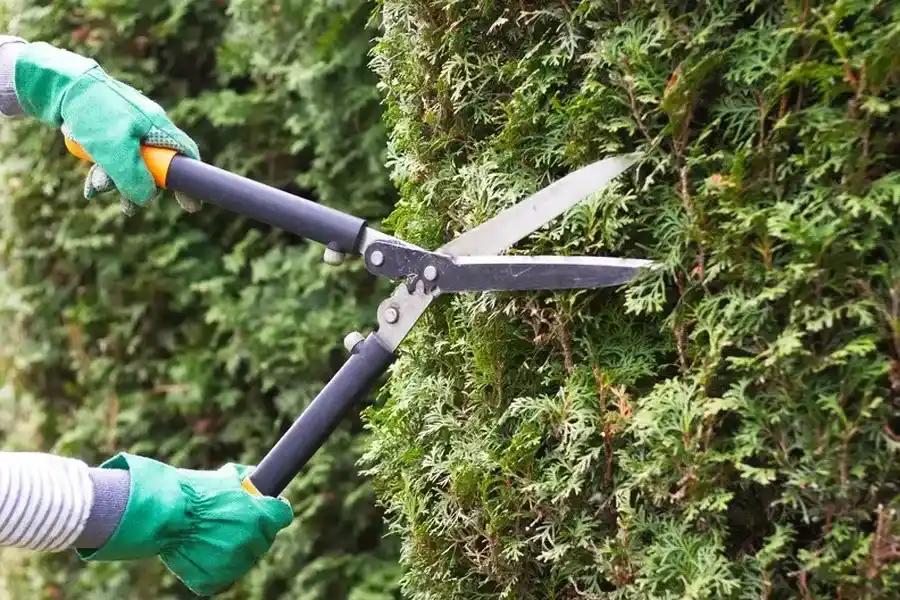
When bushes grow unchecked, they can create dense shadows over surrounding plants. This shadowing effect prevents smaller plants from receiving the light they need to flourish. Proper bush trimming helps manage this issue by keeping bushes at an ideal size and shape, reducing shadow areas significantly. Regular maintenance ensures that light reaches lower levels of your garden, benefiting all plant life.
The Benefits of Regular Bush Maintenance
Engaging in regular bush trimming offers numerous advantages beyond improved sunlight distribution. It encourages new growth, making your bushes appear fuller and healthier. It also removes dead or diseased branches, improving overall plant health. Furthermore, consistent maintenance reduces the risk of pest infestations, as pests are less likely to inhabit well-maintained plants.
Steps to Effectively Trim Your Bushes
- Identify the branches that need trimming by observing shadow patterns.
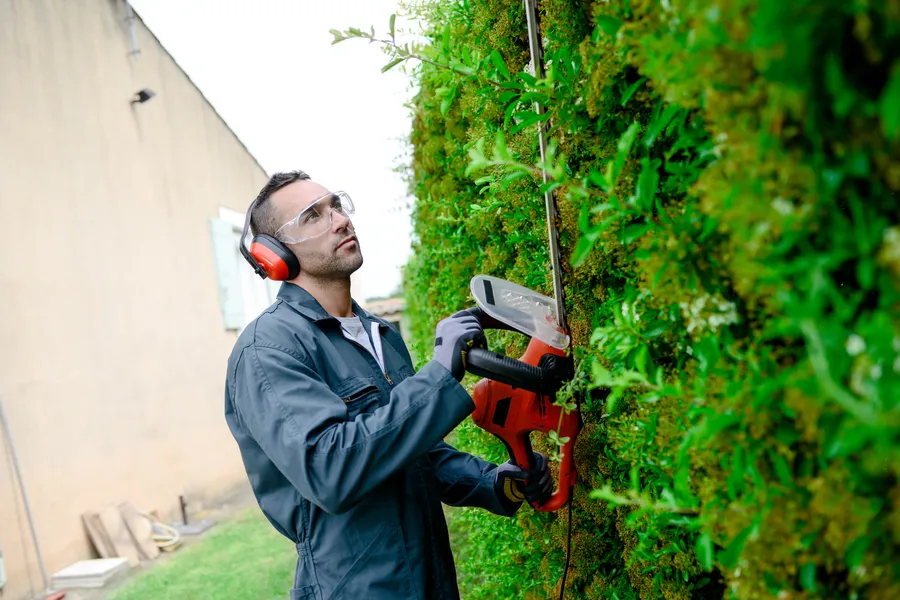
- Use sharp tools to make clean cuts, avoiding tearing the plant tissue.
- Trim selectively to maintain the desired shape and size.
- Remove any dead or diseased limbs.
- Regularly inspect and trim throughout the growing season.
Common Mistakes in Bush Trimming
A common mistake is trimming too much at once, which can stress the plant and inhibit growth. Another error is neglecting proper tool maintenance; dull blades can damage plant tissue. Lastly, failing to consider seasonal timing can affect flowering or fruiting cycles. To avoid these issues, plan your trimming schedule carefully and use appropriate techniques.
Expert Tips for Optimal Garden Health
- Schedule trims during early spring or late fall for best results.
- Monitor sunlight patterns to assess which areas require intervention.
- Combine trimming with other care practices like mulching and fertilizing.
- Consult with gardening experts when unsure about specific plant needs.
Investing in Professional Garden Services
If maintaining your garden becomes overwhelming, consider professional services. Experts bring knowledge and experience, ensuring optimal growth conditions and appearance for your plants. They provide tailored care plans based on the unique needs of your garden, helping you achieve long-term success while saving time and effort.
Your Next Steps Towards a Lush Garden
Ready to enhance your garden’s potential? Contact me today at (360) 815-1564 to learn more about effective plant management strategies. Located in Bellingham, WA, I offer personalized solutions that cater to every garden’s unique requirements. Trust Antonio Landscaping to help you create a thriving outdoor space where every plant receives the light it deserves.